
News
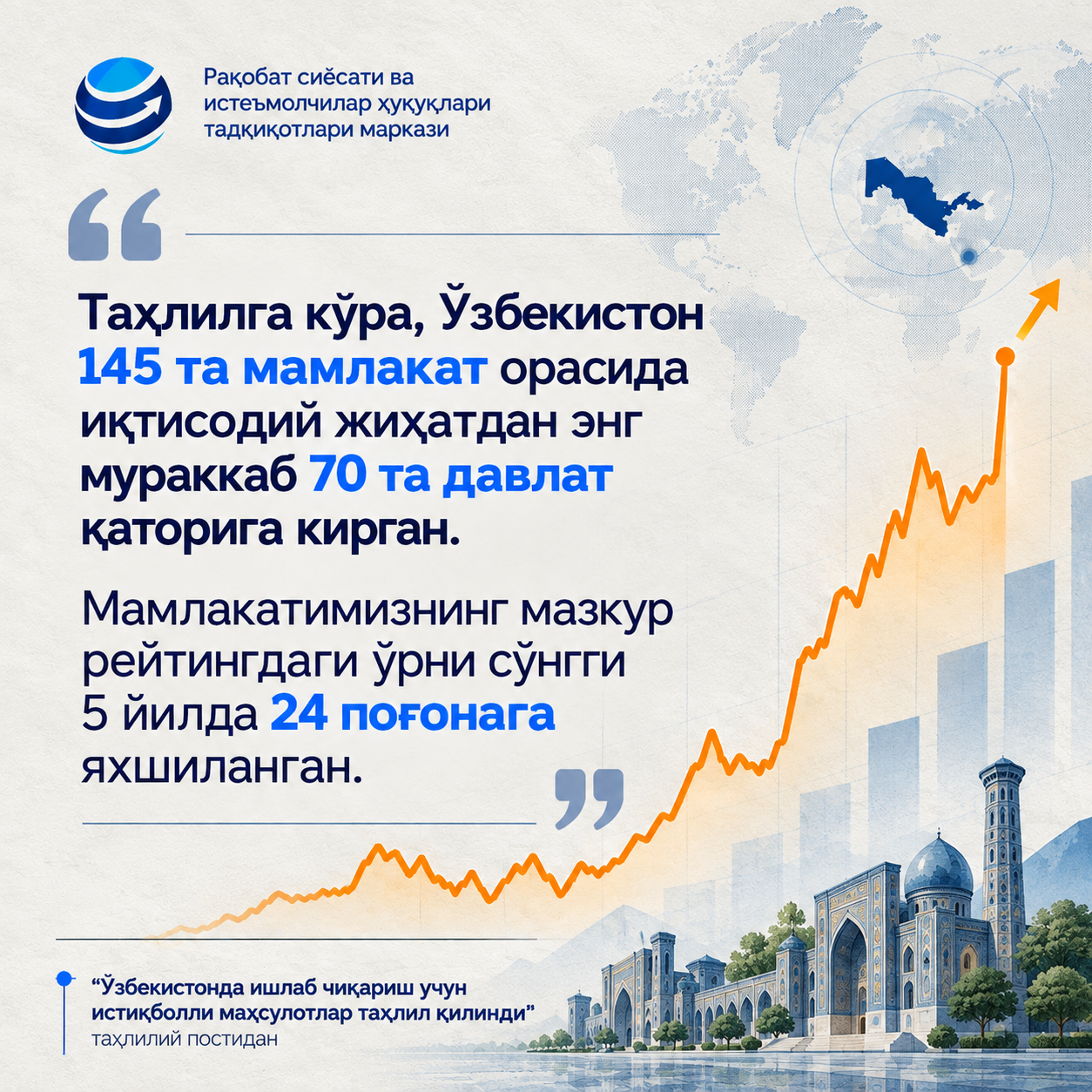
From the analytical post “Prospective Products for Production in Uzbekistan Analyzed”
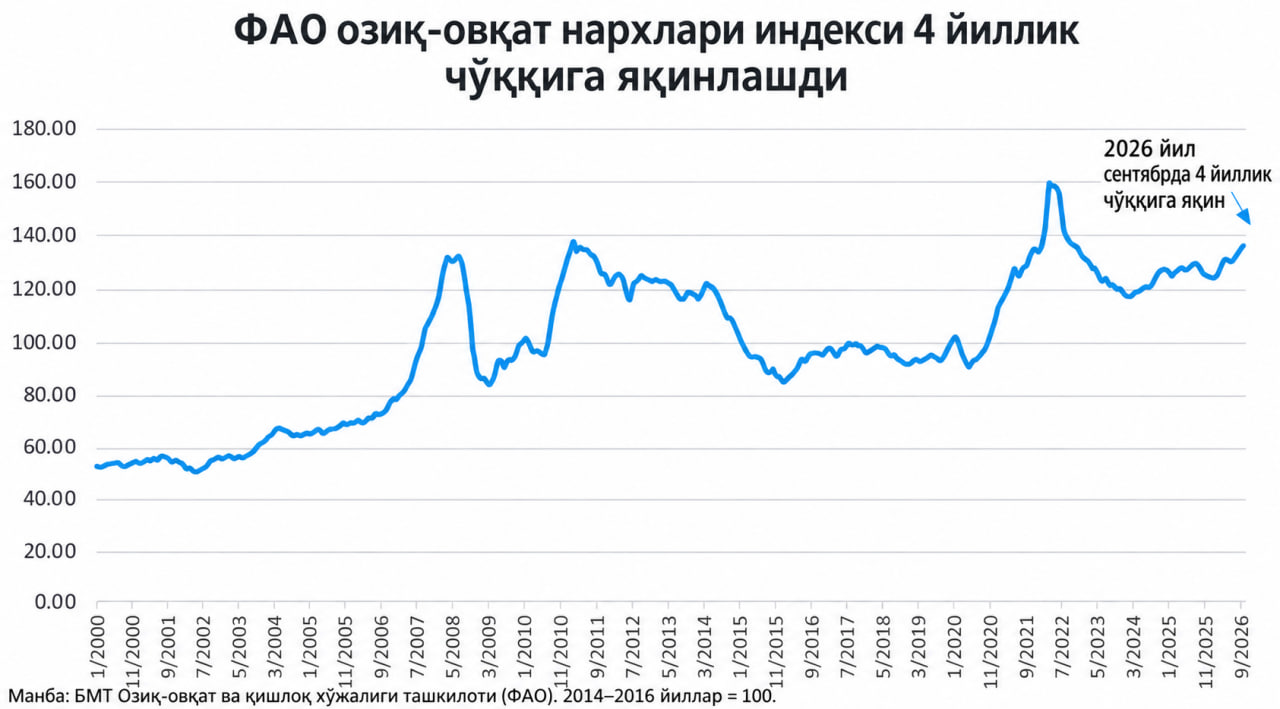
Global Food Prices Reach Their Highest Level in Four Years
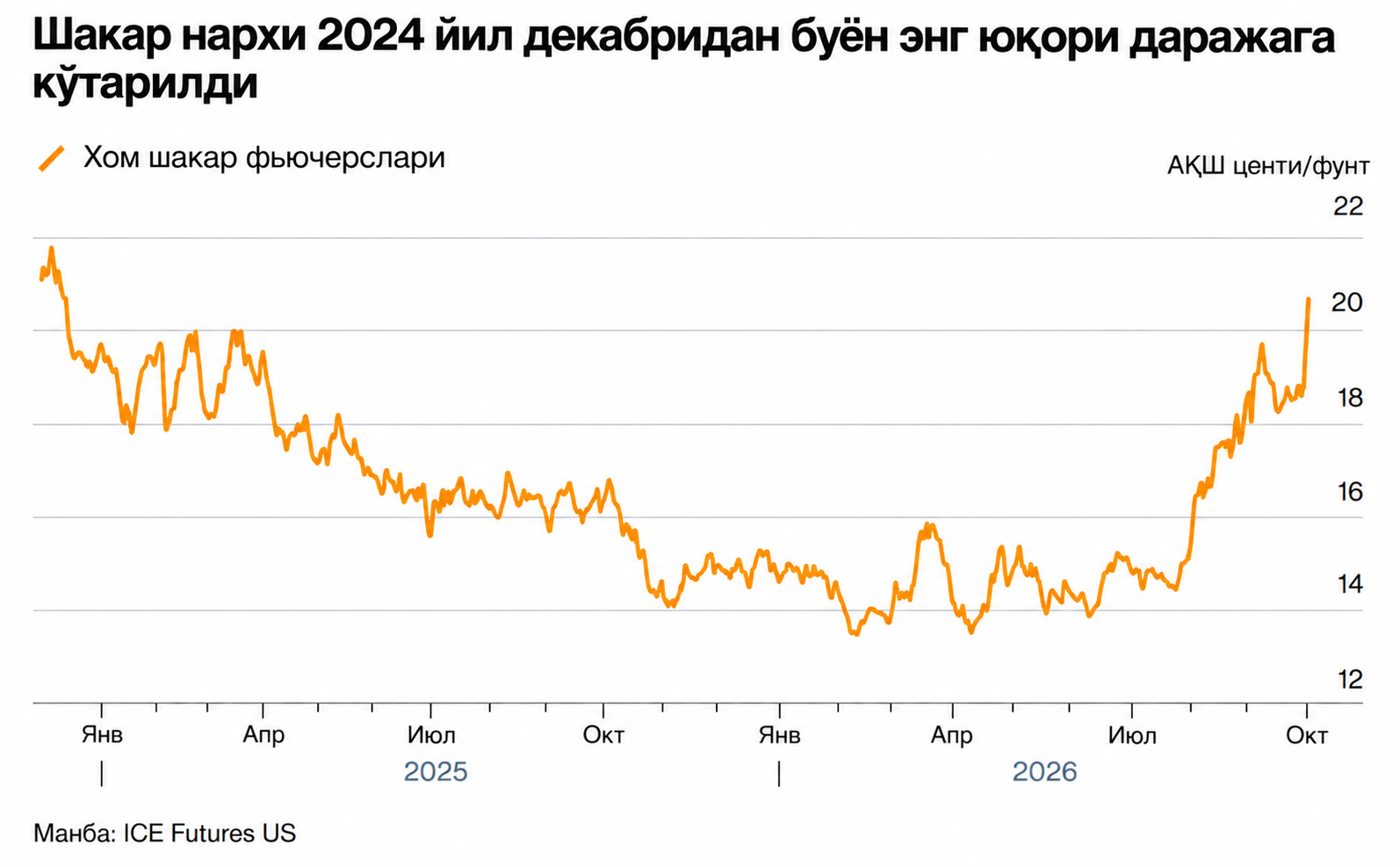
Rising Weather Risks Are Driving Up Prices in the Global Sugar Market
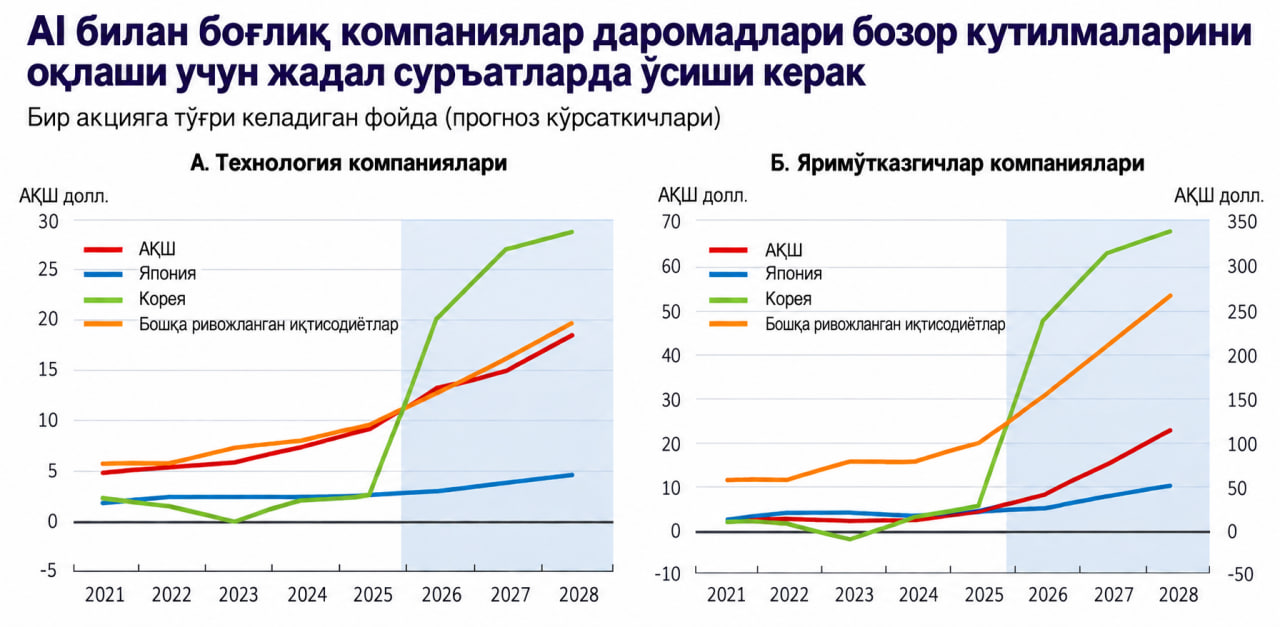
Artificial Intelligence Is Supporting Global Economic Activity
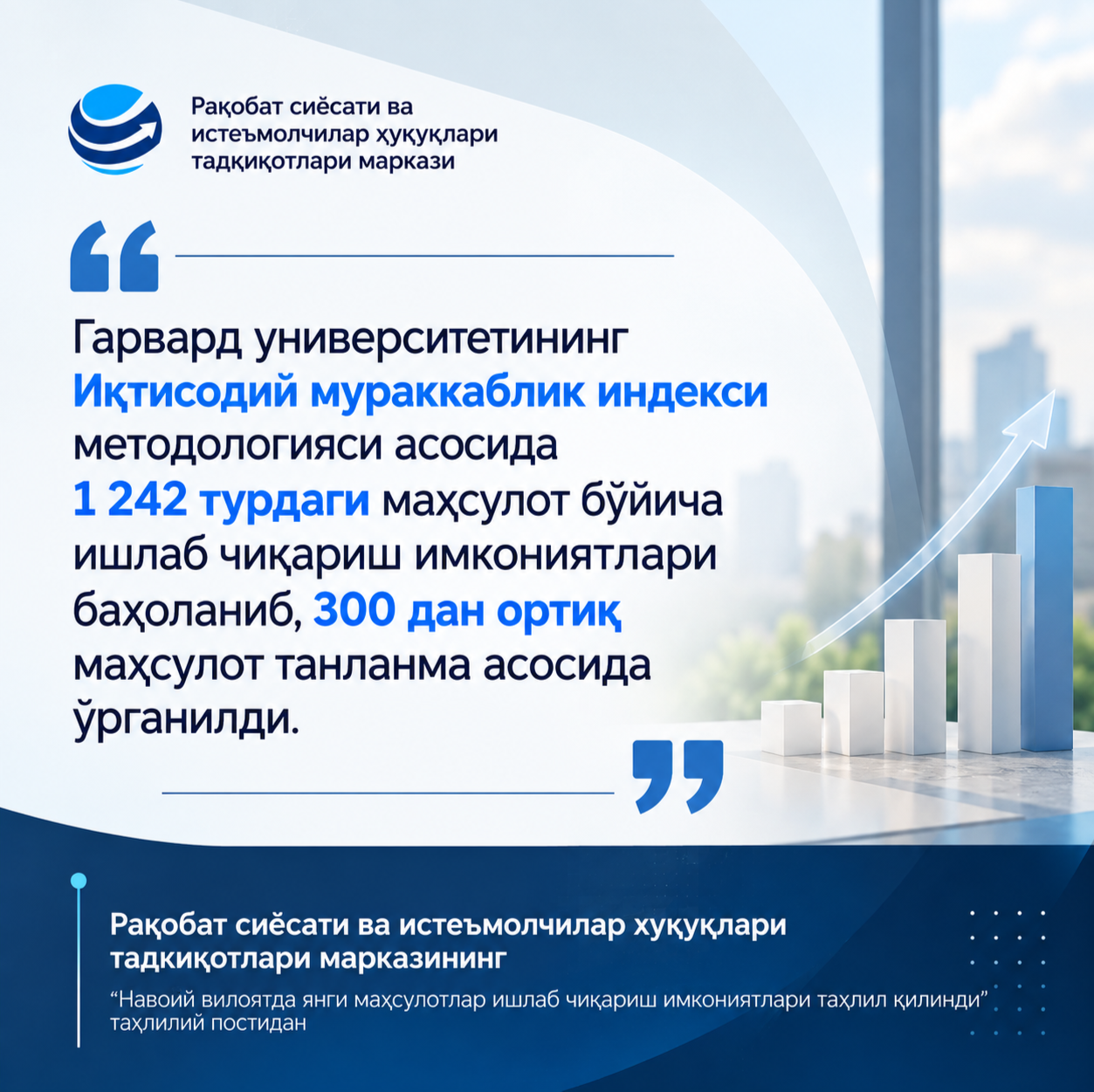
From the analytical post “Opportunities for Producing New Products in Navoi Region Analyzed”
Based on the methodology of Harvard University’s Economic Complexity Index, production opportunities were assessed for 1,242 types of products, while more than 300 products were studied on a sample basis. From the analytical post “Opportunities for Producing New Products in Navoi Region Analyzed.”
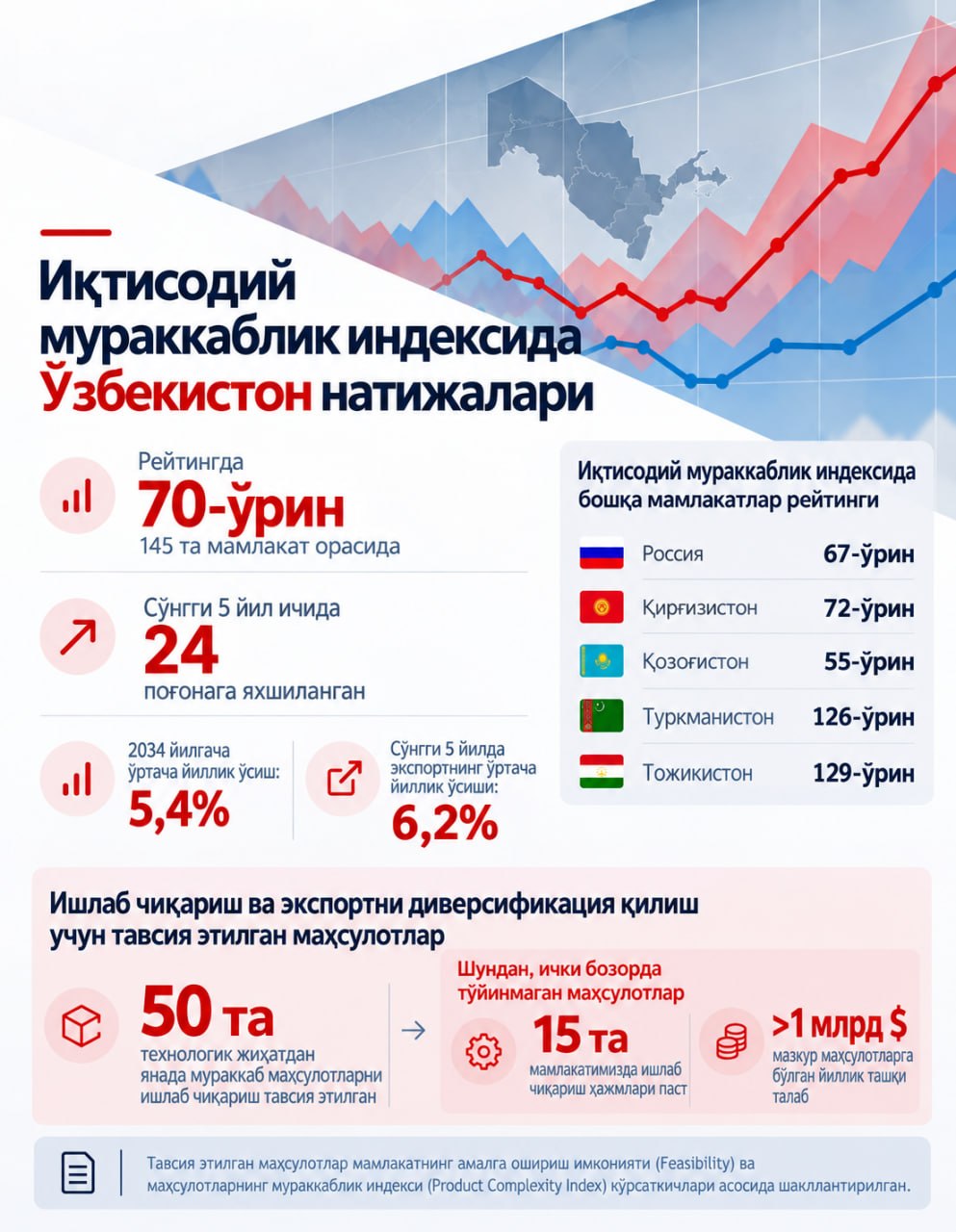
Prospective Products for Production in Uzbekistan Analyzed
The Competition Policy and Consumer Rights Research Center, based on the results of the Economic Complexity Index developed by Harvard University’s Growth Lab, analyzed prospective products for production in Uzbekistan. According to the analysis, Uzbekistan ranks among the 70 most economically complex countries out of 145 countries. The country’s position in this ranking has improved by 24 places over the past five years. Based on production capabilities and the level of product complexity, 50 prospective product types were identified. Production volumes in Uzbekistan were found to be low for 15 of these products. At the same time, annual external demand for these products exceeds USD 1 billion. In addition, Uzbekistan’s economy is expected to grow at an average annual rate of 5.4 percent through 2034. Expanding existing production capacities and implementing new production projects for these 15 product types represent an important opportunity to diversify exports, create higher value added, and enhance the country’s technological potential.
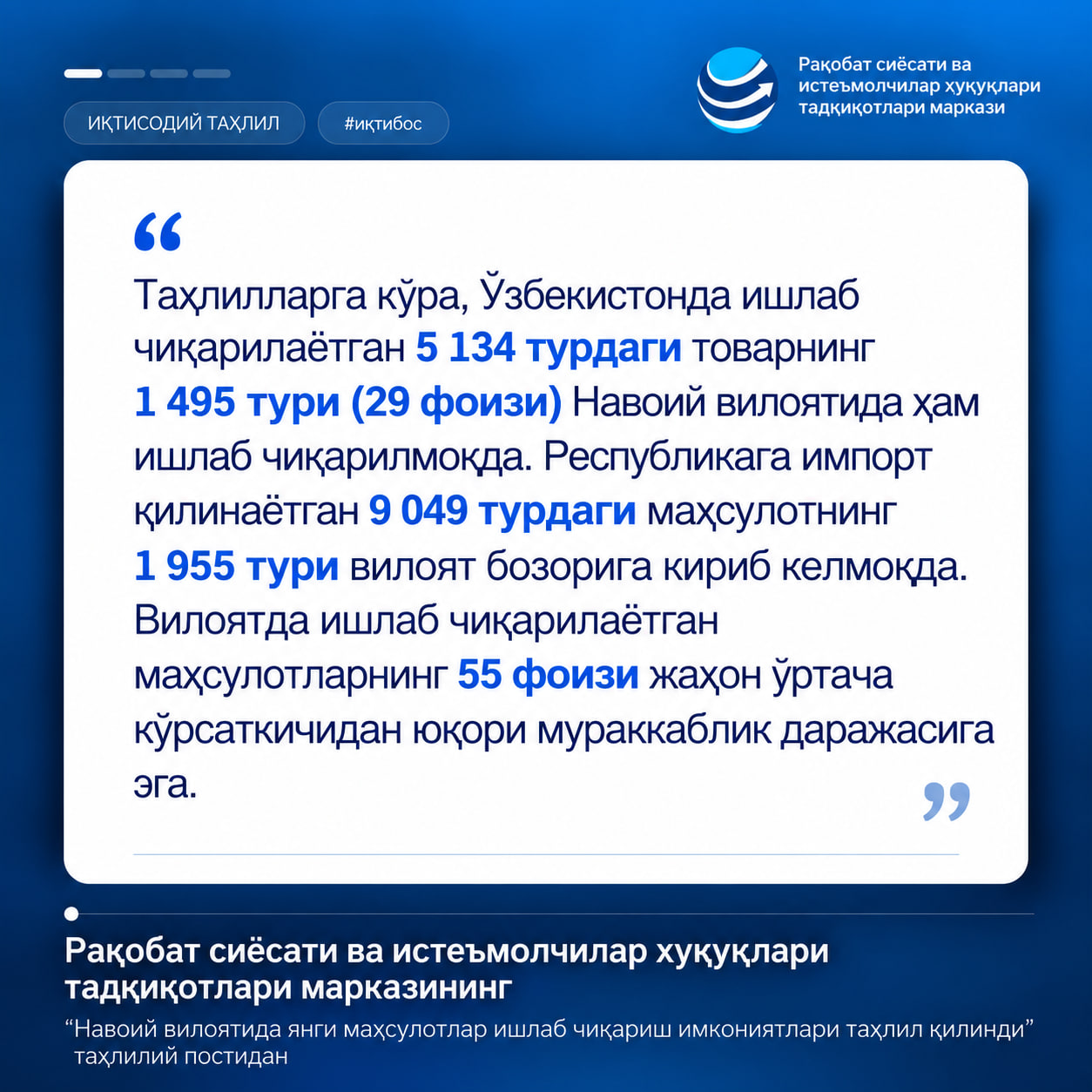
Quote
#Quote According to the analysis, of the 5,134 types of goods produced in Uzbekistan, 1,495 types (29 percent) are also produced in Navoi Region. Of the 9,049 types of products imported into the country, 1,955 types enter the regional market. 55 percent of the products manufactured in the region have a level of complexity above the global average. From the analytical post “Opportunities for Producing New Products in Navoi Region Analyzed.”


Help line
Do you have any statements, complaints or suggestions? Contact Us via our helpline